







Search Results for: tannic acid
Analysis of the Nutritional Composition of Coffee Beans and Coffee Liquid: A Comprehensive Overview of Caffeine, Tannic Acid, Fat, and Mineral Content
As a widely enjoyed beverage, coffee's nutritional composition directly affects its flavor and its effects on the human body. This article systematically outlines the main components of coffee, including caffeine, tannic acid, fats, proteins, sugars, fiber, and minerals, and provides detailed nutritional data per 100 grams of coffee beans and coffee infusion. Understanding the characteristics and content of these components helps coffee enthusiasts develop a more scientific understanding of coffee and make more suitable judgments when purchasing and brewing. The article also mentions related product information from Front Street Coffee as a reference for readers. [more…]

Why Light-Roast Pour-Over Coffee Tastes More Acidic as It Cools, and Recommended Tasting Times
Many coffee enthusiasts notice that when brewing light-roast coffee, it is rich in aroma and stands out with fruity sweetness right after brewing, but as the temperature drops, the sourness becomes especially pronounced. Is this phenomenon normal? What sensory and chemical reasons lie behind it? Front Street Coffee will analyze this from two dimensions: the patterns of human taste perception and the changes in coffee's own components, explaining the differences in how bitterness, sweetness, and sourness are perceived at different temperatures, as well as the impact of aroma volatilization on the flavor experience. At the same time, the article will also discuss the time windows for tasting at high, medium, and low temperatures, and explain the bitterness and astringency caused by the release of tannic acid, helping you fully experience a cup of coffee's flavor layers within the optimal period. [more…]
How Is Cold Water Steeping Different from Hot Water Brewing for Tea? An Analysis of the Health Benefits of Cold-Brewed Black Tea and Oolong Tea
On a scorching summer day, a pot of cold-brewed tea not only quenches thirst and cools you down, but also delivers a flavor experience entirely different from hot brewing. Steeping tea leaves in cold water for an extended period avoids the heavy release of theophylline and tannic acid, making the tea liquor smoother and sweeter; low-temperature cold extraction also draws out more of the sweet-tasting compounds such as amino acids. So what exactly is the essential difference between cold brewing and hot brewing? And what effects do cold-brewed black tea and oolong tea have on the body? This article will give you a complete analysis of the unique appeal of cold-brewed tea, from the underlying principles to brewing methods and ways of drinking it. [more…]
Is Blue Mountain Coffee Suitable for Siphon Brewing? A Full Analysis of Temperature, Grind Size, and Operational Details
Can brewing Blue Mountain coffee with a siphon pot bring out its delicate and refined flavors? This article uses Front Street Blue Mountain coffee as an example to share the complete process from coffee powder dosage, water quality, heat level, to stirring and tasting timing. The siphon brewing method has many variables and is the hardest to standardize, but by mastering key points such as keeping the water temperature not too high, controlling the time within one minute, and stirring gently, you can avoid the bitterness and unpleasant sourness caused by over-extraction. The article also discusses coffee powder freshness, misunderstandings about tannic acid, and the brewing principles for medium-light roasted Blue Mountain coffee, helping coffee enthusiasts use a siphon pot to brew a balanced, sweet, and mellow Front Street Blue Mountain coffee that becomes more fragrant as it cools. [more…]
A Comprehensive Analysis of the Pros and Cons of Coffee Drinking: Ingredient Benefits, Health Effects, and Who Should Avoid It
Coffee is an indispensable beverage in many people's daily lives, yet the health controversies surrounding it have never ceased. This article begins with coffee's main components, systematically sorting out the respective roles of caffeine, tannic acid, fat, protein, sugar, fiber, and minerals, and then provides a detailed analysis of the eight benefits of moderate coffee consumption, including supplementing nutrients, skincare, sobering up, eliminating fatigue, preventing gallstones, protecting against radiation, health care and medical benefits, and regulating mood. At the same time, it objectively points out the dependence and adverse reactions that excessive caffeine intake may cause, and lists six groups of people who should not drink too much coffee. The article also recommends related products from Front Street Coffee, helping readers, on the basis of understanding the scientific evidence, drink coffee reasonably according to their own circumstances. [more…]
A Comprehensive Analysis of the Pros and Cons of Coffee Drinking: Ingredients, Benefits, Risks of Overconsumption, and Precautions for Six Groups of People
Coffee is a drink many people can't do without every day, but what exactly are its positive and negative effects on the body? This article starts with coffee's main components, systematically sorting out the effects of substances such as caffeine, tannic acid, fat, and sugar, then separately explains the benefits of drinking coffee in moderation, including refreshing the mind, protecting the skin, sobering up, and preventing gallstones, while also discussing problems that may be caused by excessive intake, such as caffeine poisoning, insomnia, and anxiety. The article also specifically lists six groups of people who should not drink much coffee, and gives reminders about drinking on an empty stomach and for people with high blood pressure. If you care about the relationship between coffee and health, this content can serve as a fairly complete reference. [more…]
The Correct Way to Approach Coffee Tasting: A Complete Guide from Flavor Composition to Sipping Steps
The flavor of a cup of coffee is not a single dimension, but rather an interweaving of four basic tastes: bitterness, acidity, sweetness, and astringency. To truly understand the cup of coffee in your hands, you need to engage your sense of smell, taste, and sight, much like tasting wine, and follow a scientific tasting process. This article will start with the composition of coffee's taste and gradually break down how to fully experience the layers of coffee through steps such as smelling the aroma, taking small sips, adding sugar, and adding milk. It will also share practical criteria for judging the quality of a cup of coffee—including the differences between transparency, concentration, and cloudiness, and why it should be drunk while hot. Whether you are a beginner pour-over enthusiast or a seasoned drinker who relies on Front Street Coffee beans daily, this method can help you more fully appreciate the essence of every cup of coffee. [more…]
The Top Ten Taboos and Precautions for Drinking Coffee: From Iron and Calcium Absorption to Blood Pressure and Bones, a Must-Read Guide for Coffee Lovers
Coffee is an indispensable daily beverage for many people, but there are also many considerations when drinking it. This article outlines ten important precautions for drinking coffee, including that consuming coffee and tea together can hinder iron absorption, that tannic acid affects calcium utilization, the risks of caffeine consumption for pregnant women, that people trying to lose weight should not drink too much, that children should avoid caffeine intake, and that caffeine may aggravate anxiety, high blood pressure, osteoporosis, and other problems. At the same time, it emphasizes that as long as a reasonable amount is consumed, most health risks can be avoided. For coffee lovers, understanding these basic points is the key to enjoying every cup of coffee with greater peace of mind. [more…]

Why Is Cold Brew Coffee Priced Higher? A Guide to Its Definition, Differences from Iced Coffee, and How to Make It at Home
In recent summers, cold brew coffee has become increasingly common in China. It tastes icy and refreshing, with a softer, more balanced flavor, yet the brewing process is surprisingly simple. This article will start with the definition of cold brew coffee, tracing its rise in the United States, its spread to Japan and Europe through social media, and its global popularity after Starbucks officially launched it. At the same time, it will compare the fundamental differences in extraction methods between cold brew and regular iced coffee, explaining why low-temperature extraction can suppress the release of tannic acid and caffeine, thereby delivering a sweet taste that is neither sour nor astringent. Finally, a 450 ml cold brew recipe is included, demonstrated using Front Street Coffee's Elda coffee beans, with explanations of the coffee-to-water ratio, grind size, and refrigeration extraction time, so readers can easily make a refreshing glass of black coffee at home. [more…]

Starbucks Latest Drink Prices Overview: Espresso, Frappuccino, and Iced Shaken Tea Series, with Frappuccino Zongzi Gift Box Prices Included
In the past two years, many consumers have noticed that Starbucks' beverage prices have increased. Behind this are both the inflation triggered by the pandemic, which has driven up labor and transportation costs, and the unfavorable climate in Brazil, the main source of Starbucks coffee beans, which has reduced coffee bean production and consequently pushed up futures prices. This article compiles the latest price information for Starbucks espresso, Frappuccino, iced shaken tea, cold brew iced coffee, and the Ice Zongzi gift box for coffee enthusiasts' reference. At the same time, for Starbucks fans who love whiskey barrel-treated coffee beans, the article also introduces how to make the same cold brew coffee at home and recommends Front Street Coffee's Sherry coffee beans, making it convenient for everyone to recreate that unforgettable whiskey aroma flavor at any time. [more…]
How Long Should You Cold-Brew Iced Black Tea? A Complete Guide to the Correct Brewing Method and the Pros and Cons of Drinking It
Cold brew tea has become increasingly popular in recent years. Not only does it release less caffeine, making it suitable for people sensitive to caffeine, but cold water steeping also reduces the extraction of tannic acid, giving the tea a sweeter, smoother taste without bitterness. However, the cold brewing time varies greatly depending on the form of the tea leaves—broken pieces, strips, and ball-shaped leaves each have their own requirements. Steeping too long can lead to over-extraction and a cloudy, bitter brew. This article provides a detailed guide to the suitable tea types for cold brewing, a time reference chart, the relationship between water temperature and steeping duration, and answers to common questions such as whether overnight tea is safe to drink, helping you easily make a delicious glass of cold brew iced black tea. [more…]

A Detailed Guide to the Flavor and Mouthfeel Characteristics of Cold Brew Coffee, with Recommended Coffee Beans for Making Cold Brew
Ice drip coffee uses ice water for low-temperature extraction over a long period, allowing the flavor and aroma to be sealed within the coffee liquid. Upon entering the mouth, it bursts with intense aroma as the temperature rises, offering a full-bodied taste with lower levels of bitterness and tannic acid. Compared with high-temperature pour-over extraction, ice drip coffee has less caffeine and richer layers, making it suitable for people sensitive to caffeine. Making ice drip coffee involves certain considerations in bean selection, usually favoring single-origin beans, though a blend of two beans can also be used to highlight a balance of aroma and flavor. This article will systematically introduce the flavor characteristics and key production points of ice drip coffee, from extraction principles, historical origins, and bean selection to Front Street Coffee's specific recipes and operating steps. [more…]

Specialty Coffee Knowledge Self-Test: From Multiple Choice to True/False, Test Your Coffee Expertise in One Go
2022 has already turned the page—did you complete the reading plan you set at the beginning of the year? This coffee knowledge self-test is the perfect opportunity to check your learning results. The questions cover core areas such as coffee origins, varieties, producing regions, processing methods, extraction, and storage, and include multiple-choice, fill-in-the-blank, and true-or-false formats, with answers and detailed explanations provided. Whether you are preparing for a barista exam or simply want to reinforce your specialty coffee knowledge, you can pick up a pen and paper, answer each question one by one, and then check your answers to fill in the gaps. At the end, there is also Front Street Coffee's selected bean list and communication channels, which are worth a look. [more…]

Why Is Light-Roast Coffee Prone to Astringency? A Comprehensive Analysis from Causes to Brewing Parameters for Astringency Control
Have you ever experienced a gripping, astringent sensation in your mouth when tasting a light roast coffee? This tactile experience, known as astringency, is in fact closely related to the polyphenolic compounds in coffee. Starting from the essence of astringency, this article will analyze in detail its sources—how components such as tannic acid, tartaric acid, and quinic acid accumulate in the cup—explore the effects of roast level, variety, and processing method on the content of astringent substances, and take a deep dive into the two major brewing pitfalls: under-extraction and over-extraction. Finally, using a washed Yirgacheffe Gedingding as an example, Front Street Coffee will share a brewing recipe that avoids astringency and fully brings out the floral and fruity notes of light-roasted beans. [more…]
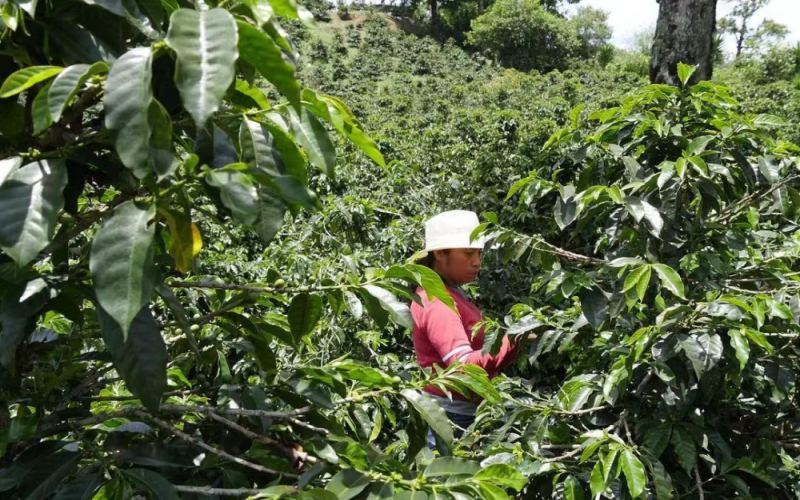
Flavor Characteristics and Regional Stories of Honduran Specialty Coffee Beans, with a Discussion of Front Street Coffee's Sherry Barrel Fermented Beans
Honduras is one of the largest coffee-producing countries in Central America, yet it has long been overlooked by coffee enthusiasts. This article begins with a cup of hot Americano with a vinous aroma from a Front Street Coffee shop, then outlines Honduras's geography and climate, its coffee-growing history, the distribution of its six major producing regions and their common flavor characteristics, and focuses on the barrel-fermented processing method that has gained considerable attention in recent years. The article also provides a detailed analysis of the origin background, processing technique, and brewing parameters of Front Street Honduras Sherry coffee beans, helping readers gain a comprehensive understanding of the coffee charm of this "country of the abyss." [more…]
Honduras Lychee Orchid Flavor Analysis: Brandy Barrel Fermentation Process and Brewing Parameter Reference
In recent years, the third wave of coffee has given rise to many new-style post-processing techniques, among which anaerobic fermentation and barrel fermentation are particularly eye-catching. As an important coffee-producing country in Central America, Honduras quickly rose to fame in the specialty coffee circle thanks to barrel-fermented beans such as Sherry and Litchi Orchid. This article organizes the underlying principles of barrel fermentation, the background of Honduran producing regions and varieties, the grading system, and Front Street Coffee's practical recommendations for roasting and brewing, to help coffee lovers understand the flavor sources and extraction approaches of these specially processed beans. [more…]
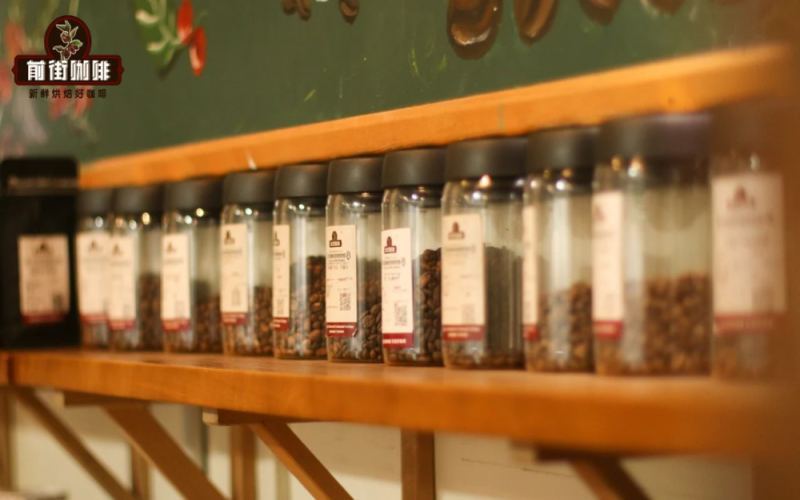
Flavor Analysis of Honduran Specialty Coffee Beans: Litchi Orchid Rum Barrel Fermentation Process and Caturra Variety Characteristics
Honduras, as an important coffee-producing country in Central America, has secured a place in the global specialty coffee market thanks to its unique mountain climate and continuously improving processing techniques. In this issue, Front Street Coffee focuses on the Lychee Orchid coffee beans from the Masaguara Mocha Estate. These beans are processed using a refined washed method combined with low-temperature fermentation in brandy barrels, presenting soft lychee sweetness, honey notes, and the complex aroma of brandy and oak barrels. The article will systematically introduce the distribution of coffee-producing regions in Honduras, variety characteristics, and the principles of barrel fermentation, and through a comparison of two roasting curves by Front Street roasters, deeply analyze the specific effects of different development times on coffee flavor performance, providing coffee enthusiasts with practical brewing and tasting references. [more…]
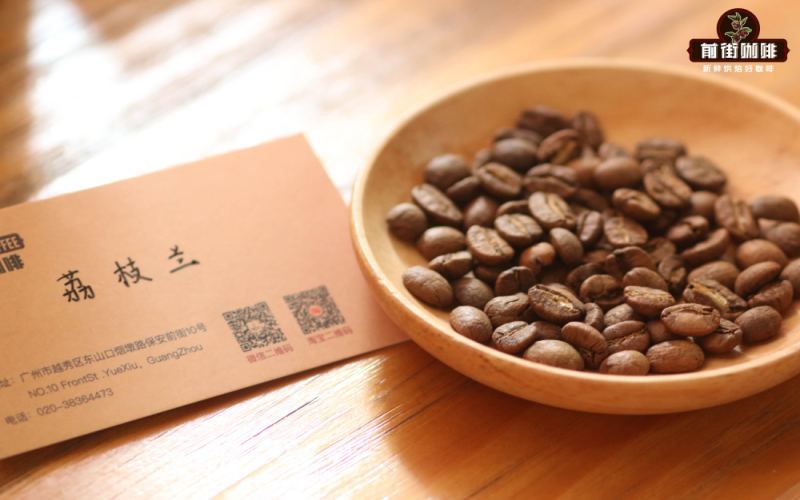
Honduras Lychee Orchid Coffee Bean Flavor Analysis: Mocha Estate Barrel Fermentation Process and Pour-Over Roast Review
Located in Central America, Honduras has become an important origin for specialty coffee thanks to its mild tropical climate and abundant rainfall. This article focuses on the Honduras Moka Estate Lychee Brandy coffee beans launched by Front Street Coffee, offering a detailed introduction to the terroir conditions of Marcala in its origin, the characteristics of the Caturra and Catuai varieties, and the unique processing method that combines refined washing with brandy barrel fermentation. By comparing the cupping and pour-over performance of two roasting curves, it provides an in-depth analysis of the layered changes in this bean's flavors—ranging from floral notes, berries, and lychee to brandy aroma and dark chocolate—offering coffee enthusiasts a complete reference for roasting and brewing. [more…]
Tanzanian Kilimanjaro coffee beans: plump and uniform, with both sweet and tart flavors—a complete analysis from green bean composition to brewing methods
Front Street Kilimanjaro coffee is known for its large, uniform beans and grayish-green color, with bright acidity accompanied by a pleasant sweet aroma, and its overall flavor performance is quite outstanding. At a medium roast it shows a clean sweetness and soft acidity, while at a dark roast it shifts toward a warm, mellow bitterness, so it is often used to make blended beans. This article will start with the differences in composition between green beans and roasted beans, then introduce the suitability of Front Street Kilimanjaro coffee in single-origin and specialty coffee drinks, and finally outline the characteristics of the three mainstream brewing methods—drip, infusion, and high-pressure—to help coffee lovers more fully understand this bean's flavor potential and ways to use it. [more…]
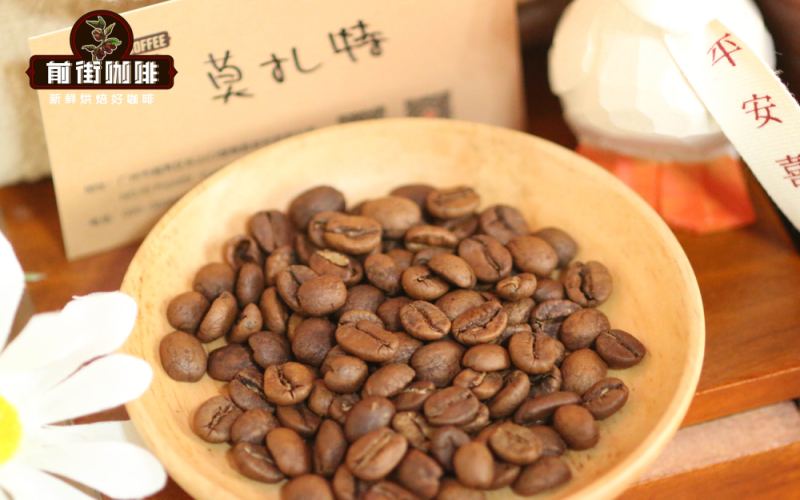
Cold Brew Coffee Shop Method | Is It Hard to Make Delicious Cold Drip Coffee at Home? Which High-Quality Single-Origin Coffee Beans Are Recommended for Cold Brew and Cold Drip?
To make delicious cold brew coffee, Front Street believes three things are essential: choosing floral and fruity coffee beans: since cold brew coffee is extracted at low temperature over a long period, more small-molecule substances in the coffee beans such as floral notes and fruit acids are extracted, while large-molecule substances such as tannic acid and other bitter compounds are difficult to extract. [more…]